Psychology, Moving Money & Human Conversation
Cannes 2026: what stuck with me beyond the red carpets
Founder’s Notes: Reflections by lawyer and business builder Izzy Abidi on building a creative business, industry fieldnotes, leadership, and learning to move at your own pace.
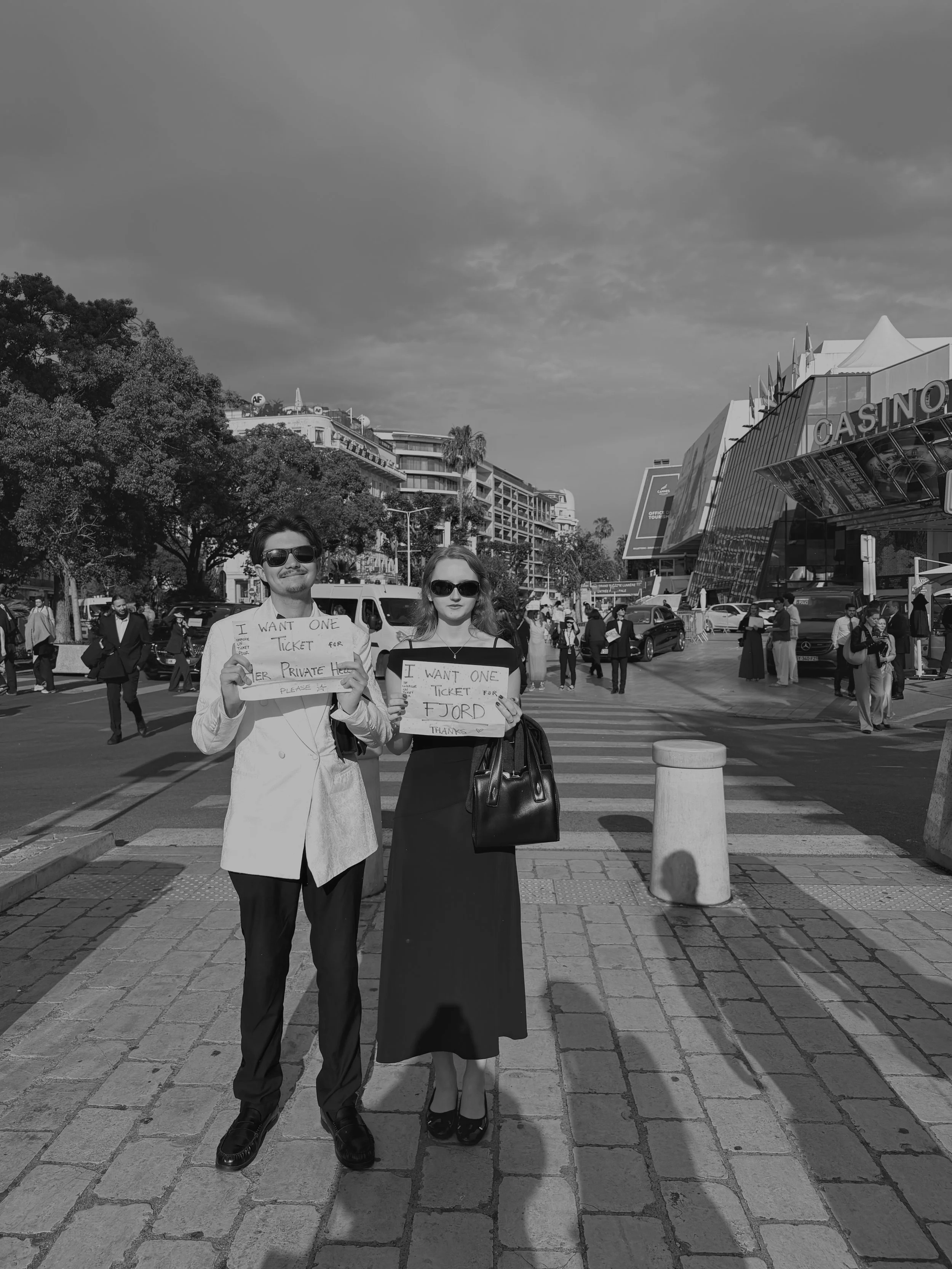
Wanting tickets to Fjord (2026) and wanting to be seen. The heartbeat of film festivals: cinephiles. I hope they got in.
My eyes opened just before 7am on my third morning in Cannes, so I decided to walk for a few minutes down to the French Riviera coast, because starting the day by a body of water is always a good idea. A lovely Tunisian man was opening his ice-cream stand and one scoop of vanilla was the ideal breakfast. By 7.30 am, a group of influencers had gathered in front of the blue backdrop, in full glam, wearing stunning gowns that suited more of a 7.30 pm vibe. Some with a lighting crew, some with a tripod, some with their own patch of red carpet, taking variations of poses, probably making sure there was just enough yacht in the background to make it seem natural. Unlike the walk of shame, this was a walk of wanting to be seen. It felt like the most honest, unfiltered moment of the festival. What was meant to be my moment for a solitary breather before a long day, turned into an anthropological feast for my mind, with a side of melting vanilla ice cream. I cheekily enjoyed my anonymity in the fact that they had no idea that this tourist-looking woman in pastel striped shorts, a mustard cap and tinted sunnies covering her make-up free morning face, was an industry professional that had closed deals that probably matched the same number of the millions of followers they had.
There's always industry noise at Cannes. Market trends, box office projections, daily magazines, who's buying what, which slates are hot, bidding war whispers, which territories are moving, splashy launch announcements and much more recently, social media timeline posts. I've been attending or working with festivals in the creative industries across music, film, tv, multimedia, art for twenty years. The noise comes and goes like the tide. A lot of it is, truly, relevant, useful and fun. The increasingly challenging thing today is cutting through the noise and tsunami of information, to figure out what is most relevant and real to your work, purpose or joy (hopefully all three are aligned).
This year, I decided to consciously re-visit my festival notes (still always handwritten in my passport-sized notebook) two weeks later, and explore what stayed with me beyond the headlines.
For me, here are the top five things that felt structurally and systemically important:
1. Invisible Labour
The panel at Marche Du Film, Co-Production Day: Producing Under Pressure: Producer Care and Sustainable Practice was the most refreshing topic on the line-up this year. EAVE published a think tank report on producer care that same morning. The speakers (Heejung Oh, Rebecca Day, Linda Mutawi, Steven Malamud Rubinstein, Tamara Dawit) were honest, realistic and it was a full-house seating and standing audience that you could tell were listening and deep in thought, staying just that bit longer than usual, before having to dash off to their next meeting. There was no doubt that the audience felt this was important.
In February 2026, The Film and TV Charity introduced principles for mentally healthy productions and the year before, published an industry-celebrated short film Break The Cycle (2025) by Joseph Morel. Campaigns like that and panels like this one at Cannes, at an international festival send a message that more industry professionals need to hear: we can and we must talk about this now.
My honest take here is the importance of language. Some might call this area mental health, and while that is true, the majority of the old-school studio world might read “mental health” and stop it being part of the budgetconversation. Psychological welfare, producer care, sustainable practice are terms that reframe the conversation. They're systemic, not personal.
From the projects in this area that I’ve worked on, I’ve learnt that they need to be framed as fundable, measurable, and non-negotiable. In the days that followed, I spent time with some of the panelists and audience talking about vocabulary and timing. How do you name burnout in an industry that still romanticises the grind? That question matters more than I can say. I expect to see the topic come up more at creative industry events, until it can no longer be categorised as a nice-to-have.
Imagine if there was an Academy Award category for most psychology healthy productions? I bet everyone would start paying a lot more attention to it then.
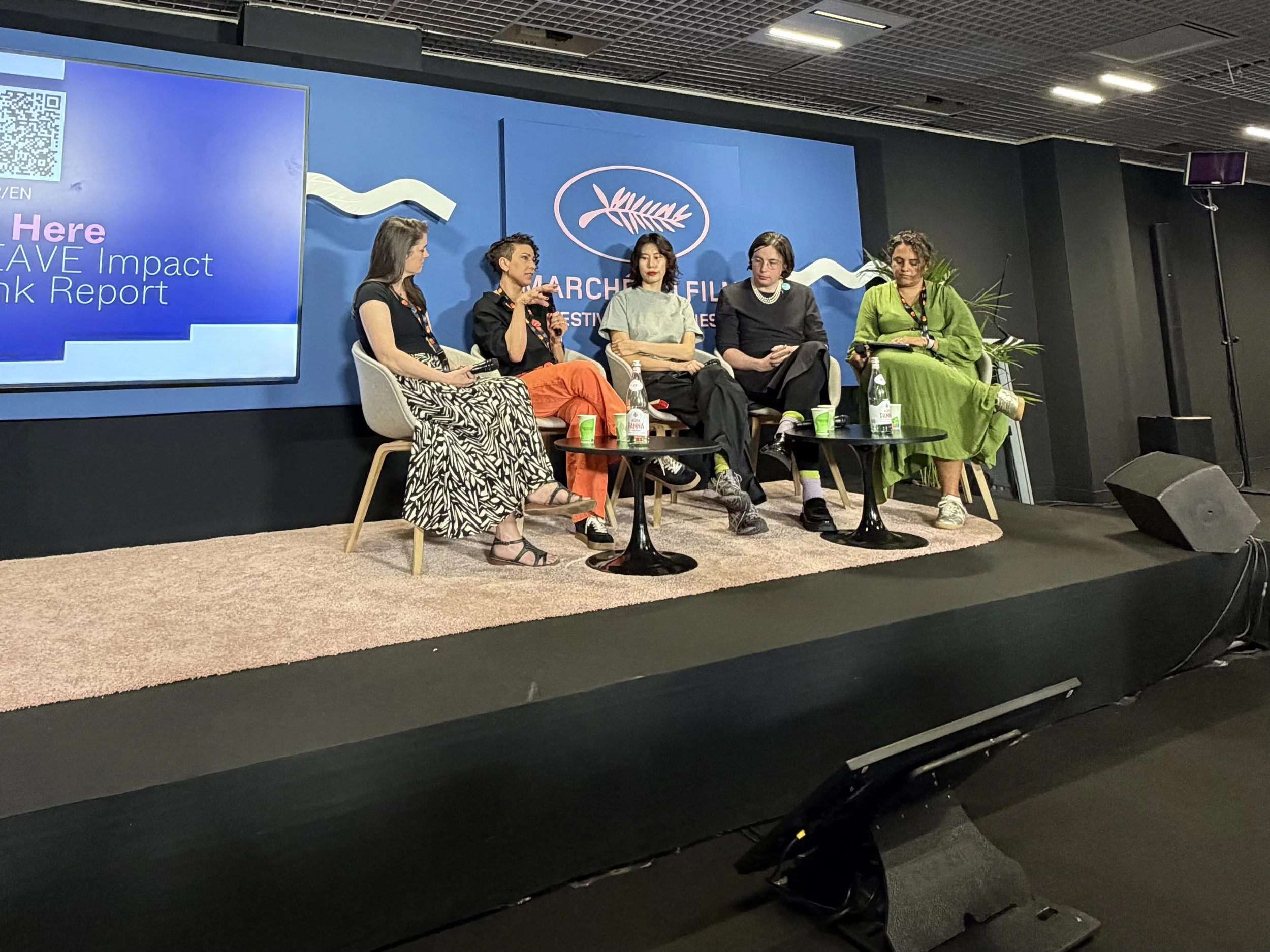
EAVE's "Producing Under Pressure: Producer Care and Sustainable Practice" panel at the Marché du Film (Rebecca Day, Linda Mutawi, Heejung Oh, Steven Malamud Rubinstein, Tamara Dawit)
2. How money actually moves
A badass boss early in my legal career was celebrated as one of the top negotiators in noughties big tech. He ingrained in me that unconditional first step to assess any deal terms and build a negotiation strategy: Follow. The. Money.
Money has been moving differently in film for a while now. It's nothing new. Patchwork financing, as I like to talk about it, is an art that requires everyone to stop defaulting to how things have always been done, which is a tough ask for legacy media sometimes. Then you get the cool kids of the storytelling world who are a breath of fresh air when it comes to financing and understanding audiences and how they behave today: brands.
The curation of this year's Investor's Circle afternoon was spot on in a conversation on "Investing in Stories: How Brands are Becoming Film Industry Stakeholders". It was refreshing to talk practically about something many are working on but there still isn't a conscious structure around: brands financing and building strategic partnerships in film. This gets conflated with product placement or standard brand partnership deals. This discussion was around investing in a slate at inception stage, co-creating with the filmmaker from the start - that's different. Shared vision and risk is how all seasoned studio commissioners are asked to think and some brands right now are doing this, really, really well.
The real friction point: most filmmakers, and yes, even some studio executives, don't know which conversation they're in and those conversations aren’t had early enough. Are you being asked for product placement (transactional, short-term), a partnership (collaborative, tactical), or an investment (structural, ongoing)? The difference in power dynamics, creative control, and financial upside and vocabulary to use in those early conversations is massive.
A special shout out to the speakers: Koji Yanai, Rebecca De Pas, Elsa Huisman, Phillip Mandera and Brian Newman who were bang-on-the-money and excellent moderation by Wendy Mitchell. I’ll leave a quote* here that received a rapturous applause from film industry professionals:
“most of the distributors know jackshit about marketing, and brands do”
The most enjoyable industry discussion I’ve attended this year.
It is clear we still need more of something: Awareness. Awareness. Awareness. More noise here please. Once people understand the architecture, and the legacy thinking stops resisting new ways of working, more awesome films will get made.
*and will credit the speaker, if they would like to me named
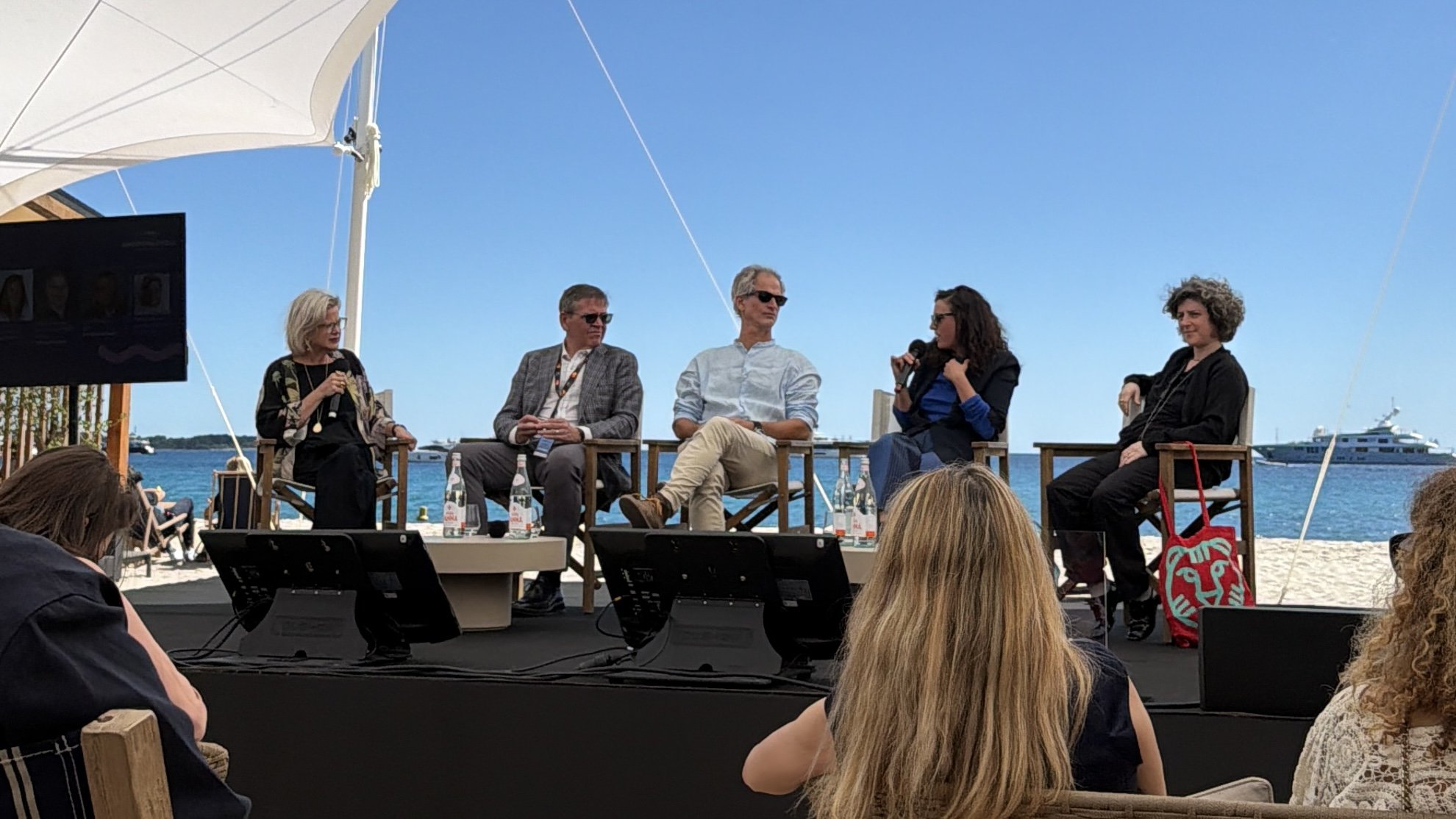
"Investing in Stories: How Brands are Becoming Film Industry Stakeholders"(Wendy Mitchell, Rebecca De Pas, Elsa Huisman, Phillip Mandera and Brian Newman)
3. Who gets to be in the room
I attended the inaugural Color of Cannes gathering at the Marché du Film. It was a fast-paced real-talk, celebratory panel on “The Business of Culture-Forward Storytelling and the Indie Filmmaker” described as something designed to "create a recurring space within the Marché du Film that connects filmmakers of color and creative leaders with the relationships, visibility, and market pathways needed to move projects forward." It was a pleasant surprise to see a range of panelists: lawyer, investor, producer, director and writer, giving hope and confidence to new filmmakers that they can also see themselves (and allies) represented in decision making rooms. An investor on the panel brought her filmmaker daughter with her, a first-time North African filmmaker felt bold enough to live pitch (a great one) her project to the entire audience of seasoned executives during the Q&A. These details made me so hopeful for the next generation. Shout-out to the panelists and moderators (Mikki Taylor, Valerie Mosely, Marcie Cleary, Darrien M Gipson, Stephanie Fuchs, Zach Ntim, Crystine Zhang).
The same week, Watermelon Pictures and Empire, co-hosted an event gathering all the professionals around the world who have been championing their mission in one place. The speeches by Munir Atalla and founding brothers, Badie and Hamza Ali opened with a heartfelt sense of purpose of why we tell stories that aren’t always seen on screen, grounded in family values. It’s a rare thing for a studio to be able to harness steadfast support from such a wide range of industry professionals from all around the world. Common sets of values and a sense of duty will do that. I wondered why so many people had dropped clashing plans to show up for Watermelon that evening, even if briefly. What was it? It’s easy (and lazy) to categorise many of us, or Watermelon Pictures as a single-mission entity. I think what drew us all together is that we don’t think in boxes or quotas. Championing one type of story on the screen, doesn't take away space for another. So many new and familiar faces I spoke to that night were genuinely there with a “what else can we do to support this?”, with zero expected in return. It was a memorable sunset on the beach filled with like-minded industry professionals and a real sense of community being built.
With the Color of Cannes and Watermelon events, one thing struck me the most: despite the odds being stacked against us (the global majority), our stories are being told, we are getting louder and maybe, just maybe, the next generation won't find these gatherings unique. That's the magic of storytelling. I watched these rooms and thought: finally. It made me reflect on my role in the industry (which is still, statistically, an improbable position) and how much more I still want to do in this space to amplify voices that should, but don't get the same position in the starting line. Growing up in the 90s in the Gulf, these two events struck me as slices of history-in-the-making. It’s easy to forget that sometimes.
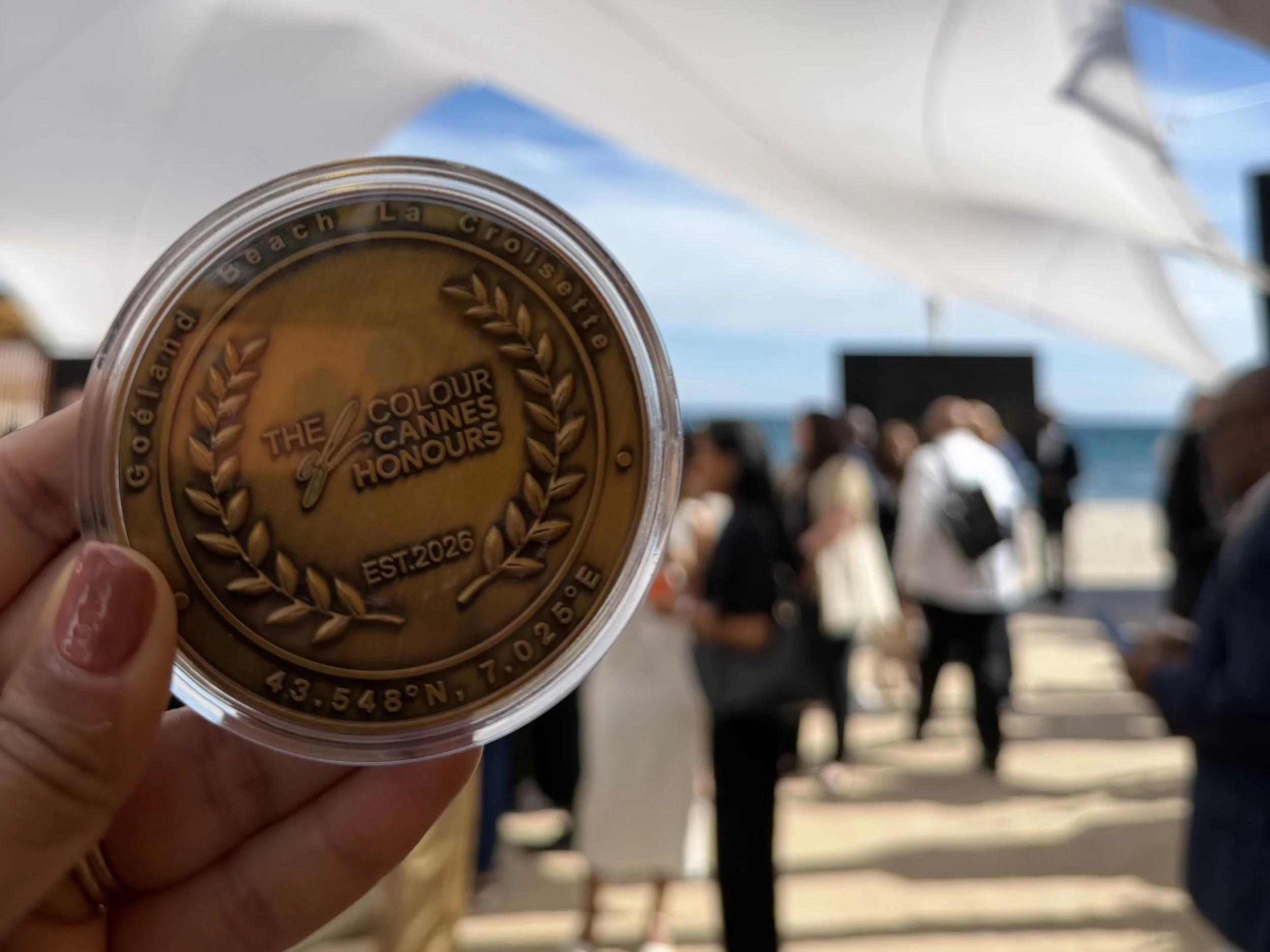
Color of Cannes Honors medal
4. Cultural Legacy
I've moved between continents enough to appreciate that Europe has a multi-generational second-nature approach to archiving, restoring and funding cultural and artistic legacy that has been built on decades of history. Everyone is used to Europe putting thought and money behind cultural legacy. A small but mighty cultural movement originating in the Arabian Gulf has been gaining traction in this space over the last decade. The Doha Film Institute published the Atlas of Cinematic Affinities (2026) described as a book documenting the collective cinematic journeys of filmmakers from the Middle East and North Africa and beyond (projects spanning over 80 countries). I carefully carried those extra kilograms in my hand luggage home and spent a Saturday afternoon immersed in this crucial work of cultural legacy featuring some of the most brilliant people I’ve worked with. What struck me the most about these 8000+ pages (I’m nowhere near done) is how unexpectedly experiential it felt.
Reading the notes, sketches, inception of ideas, family stories, musical references, archives felt intimate and spending a few hours with it truly felt like a creative spa for the mind. Even the variation of textures from tracing paper, to stiff cards and the sounds that accompany the page-turns, feels like you’re sifting through an artist’s bundled memoirs. The unseen part of the filmmaking process begins years, in some cases, decades before the red carpet moment and this book is filled with appreciation of that and the villages involved. It’s an appreciation which never lets me leave a cinema until the credits have finished rolling. There’s an essay by curator and film theorist Dr. Viola Shafik on critical thinking and dialogue that jumps off the page for me. An asset that will only increase in value in the coming years, all around the world. For regions with shorter institutional memory, this atlas (it almost feels insulting to call it a book) is a crucial, celebratory legacy project.
For anyone that wants to support the arts and culture, I would encourage them to show support and buy the book. It truly is a historical masterpiece that you’ll never regret having on your table.
Shout-out to Shaima Al Tamimi, Zaina Bseiso and team for curating multiple time capsules together in under a year. .
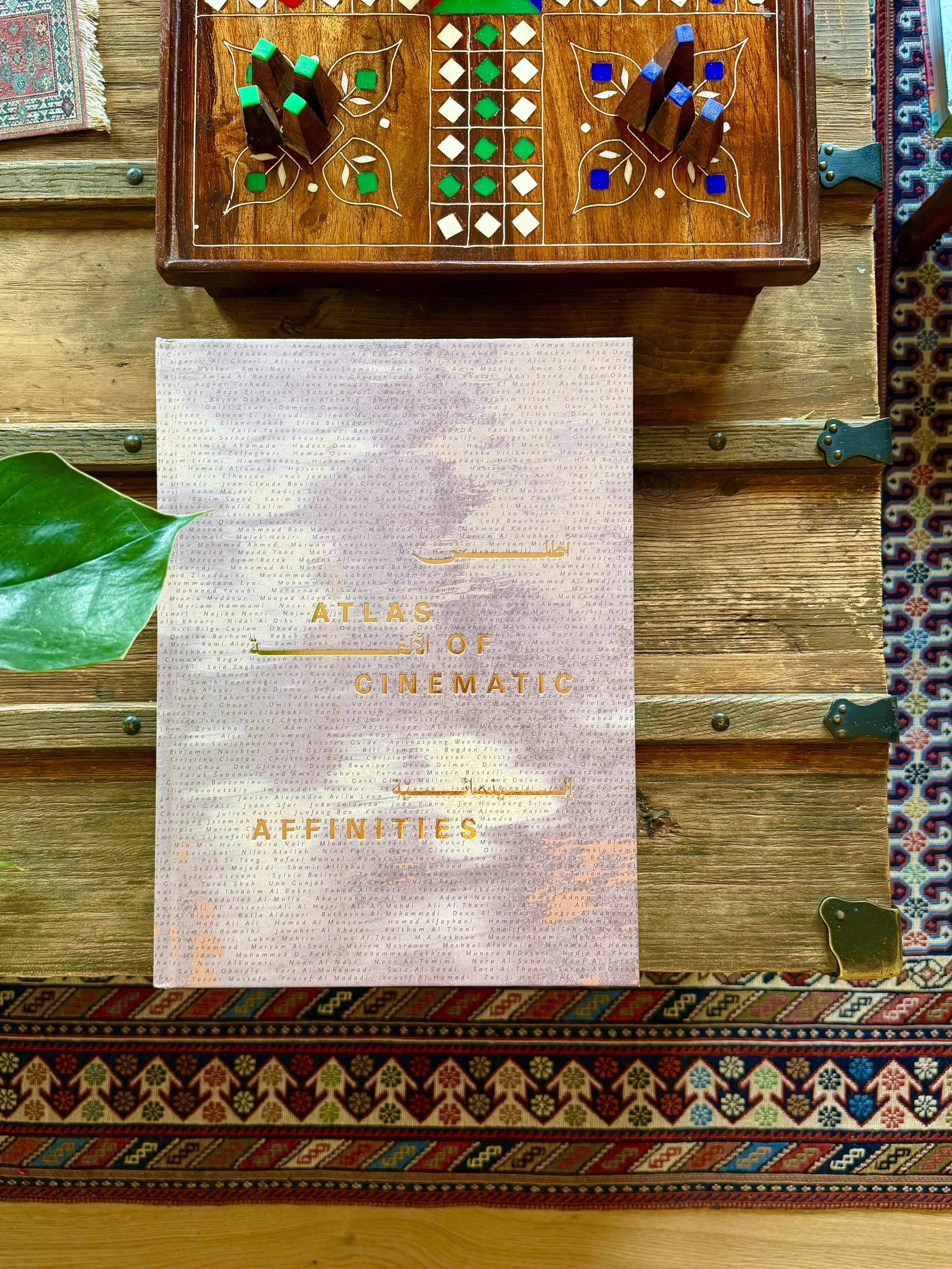
Atlas of Cinematic Affinities: 15 Years of Doha Film Institute (2026), taking a well deserved prime position on my coffee table.
5. Humans minus the algorithm
My absolute favourite feeling this year, maybe because of all the chaos in the headlines, was the impromptu hangouts outside of the planned dinners and lunches. The 8pm location pin drop of "want to join us at this spot" or the midnight "I don't want to be at this party, where are you, can I join you and your friends?". There were two occasions where people I've known professionally were sitting with their lives on the table. Families. Hopes. Frustrations. Existential. Films that moved us. No phones at the table. Moments that no corporate offsites or corporate retreats could ever recreate. That tangible human part that doesn't make the festival reports but leaves an imprint for weeks. No one mentioned their festival schedule. It was the reminder I needed that a global community built outside of any algorithms is what keeps filling us all with a sense of purpose and fun. It’s also what eventually builds the kind of work I like to do: working with the right people.
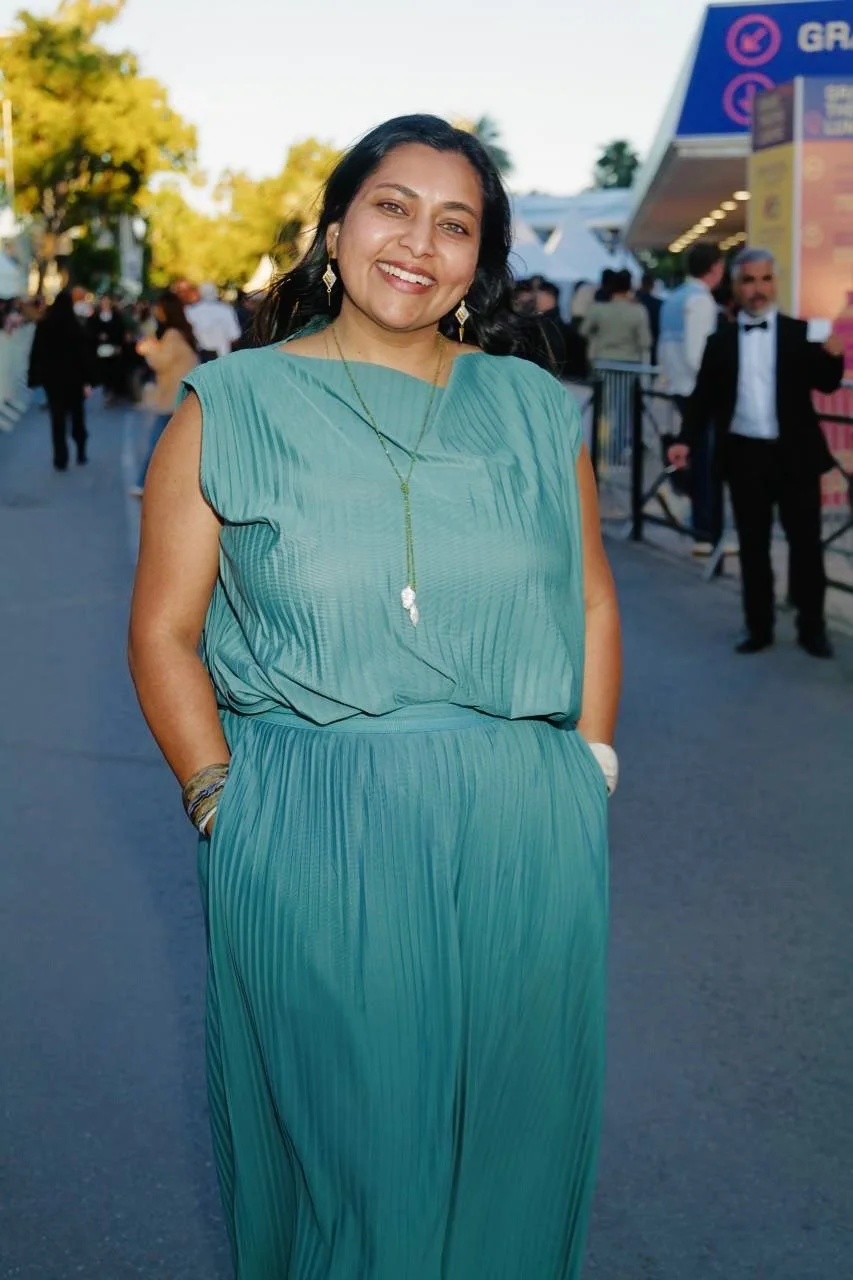
In between meetings, screenings and events at Cannes 2026 (Izzy Abidi)
What I want to hold on to
Markets shift. Trends pass. Headlines come and go. Algorithms change. Beyond all that, I felt that there were conversations that finally got names, faces in rooms that haven't been there before, maps that say "we were here", structures that offered a breath of fresh air. The industry didn't feel weighed down by legacy and neither do I. How fun to be living in this moment in time for cinema. I felt like it was worth writing it down, because on the hard days, I don't want to forget.